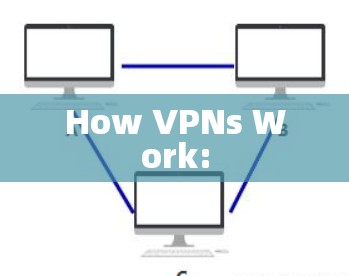
VPNs, or Virtual Private Networks, are tools that allow users to access the internet over a private network instead of the public internet. They are used to protect personal information, prevent unauthorized access, and provide a secure way to browse the web. VPNs work by connecting to a private server or router that is behind a firewall. This means you can access the internet at your convenience, but your connection is encrypted, making it difficult to intercept or monitor.
Benefits of Using a VPN:
- Secrecy: Your internet access is protected from eavesdroppers.
- Privacy: You can avoid tracking your online activity.
- Speed: Many VPNs offer faster internet speeds than the public internet.
- Security: Your data is encrypted, making it harder to be intercepted.
Types of VPNs:
- Uncomplicated VPNs: These offer basic features like browsing, video calls, and file sharing.
- Advanced VPNs: These provide more features, such as encrypted email, file transfer, and online banking.
- Free VPNs: Some VPNs offer free trials or free usage of certain features for a limited time.
- Pro-Buy VPNs: These are paid services that provide more features and better performance.
When to Use a VPN:
- If you want to avoid tracking your online activity.
- If you're concerned about your internet privacy.
- If you need faster internet speeds.
VPNs are becoming more popular as more people seek to access the internet without worrying about their online activity being monitored.