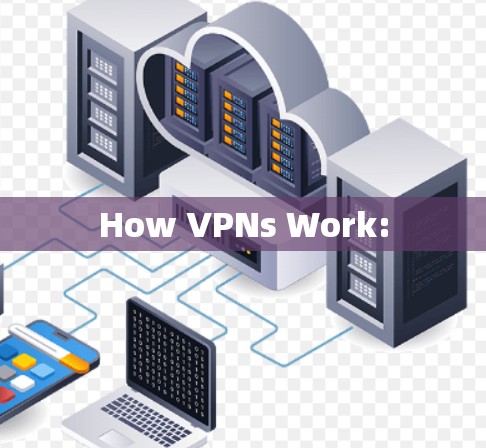
VPN, or Virtual Private Networks, are tools that block access to websites on public networks, offering an encrypted browsing experience. Here's a structured overview:
- Tunneling: Intercepts data at the tunneling level, intercepting and routing it through the VPN.
- Encryption: Protects data at rest and in transit, keeping it secure even after interception.
Types of VPNs:
- Basic VPNs: Intercept limited sites, suitable for casual users.
- Advanced VPNs: Offer features like bulk access and advanced filtering, catering to more serious users.
User Accounts:
- Users can manage multiple accounts for different purposes, enhancing privacy and control.
Cost:
- Various pricing models, including subscription-based, pay-per-use, and free trials, depending on coverage and features.
Scalability:
- Can handle a one-to-one or one-to-many relationship, managing sites or users effectively.
Encryption Levels:
- Symmetric Encryption: More efficient, faster, and uses less bandwidth.
- Asymmetric Encryption: Stronger security but slower.
User Interface:
- Most offer user-friendly interfaces, sometimes with customization options.
Abuse and Hacking:
- Potential for privacy breaches, but measures are in place to protect users.
Technical Implementation:
- Uses tunneling protocols to intercept and route data, with data encrypted for security.
Conclusion:
VPNs offer a secure and controlled browsing experience, with various types and benefits tailored to user needs. They blend encryption, user control, and scalability to provide a privacy-focused web experience.